What You Can Expect During a Roof Replacement: A Complete Guide by the Experts at Premier Roofing & Exteriors
A roof replacement can be a considerable endeavor for any homeowner. Comprehending the process is crucial to manage potential difficulties efficiently. From inspecting the roof's current condition to controlling timelines and expenses, each step necessitates thoughtful planning. Effective communication with the roofing team also plays an important role. As the project unfolds, unexpected issues may arise, compelling homeowners to respond accordingly. By reviewing this guide, homeowners can more effectively prepare for the complexities of a roof replacement.
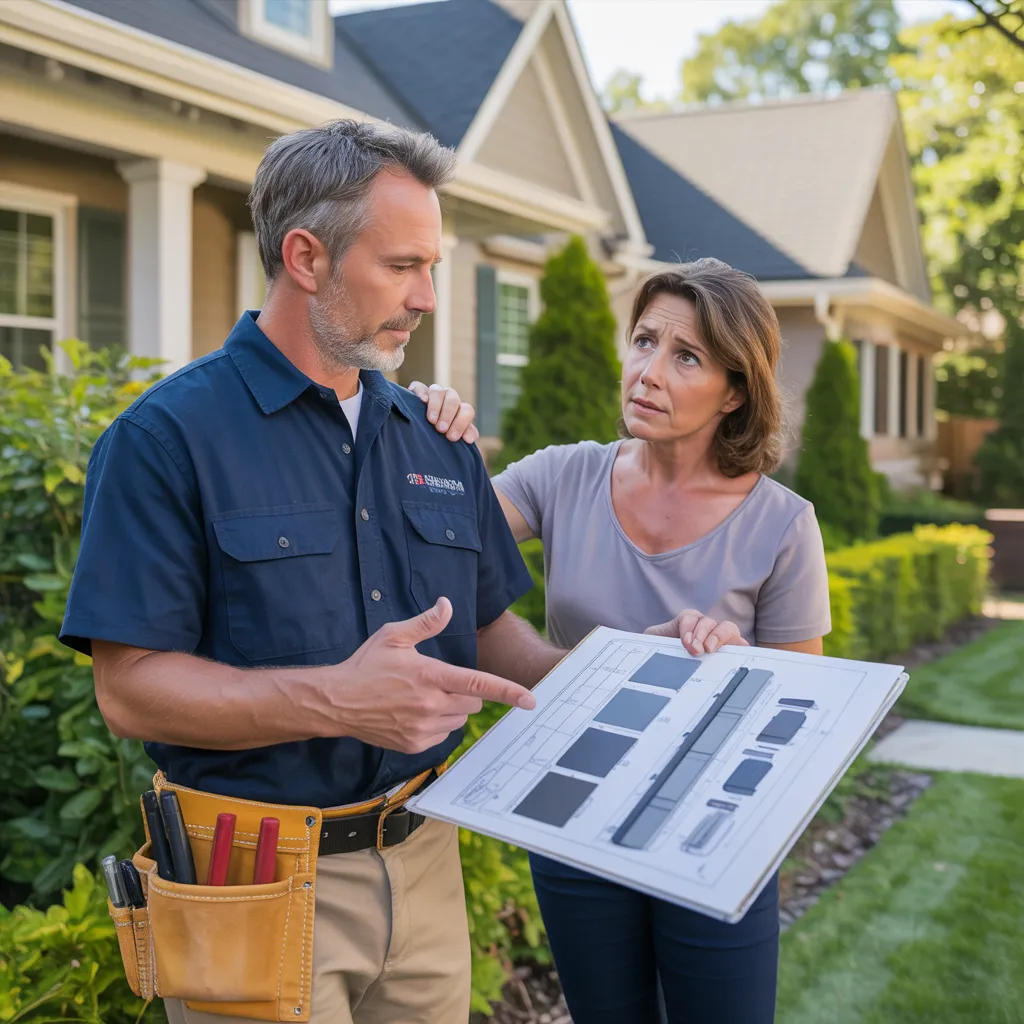
How to Determine When You Need a Roof Replacement
How can a homeowner determine if their roof requires replacement? A number of important signs can help with this evaluation. To begin with, the age of the roof is a crucial factor; most roofs have a lifespan of 20-25 years. Property owners ought to look for obvious signs of damage, including missing or curling shingles, as these may point to deterioration. Furthermore, water stains or leaks found in the attic or on ceilings could point to deeper problems that need immediate attention. The presence of granules in gutters may indicate shingle breakdown, and too much sunlight coming through the roof could expose gaps or holes. In addition, if the roof exhibits sagging, it may indicate structural problems. Conducting consistent inspections, above all after extreme weather events, can aid in spotting these concerns before they worsen. Through careful consideration of these indicators, homeowners are better equipped to determine if a roof replacement is needed, safeguarding the well-being and structure of their properties.
What You Can Expect During Your Roof Replacement?
Throughout a roof replacement project, homeowners can anticipate a detailed timeline that describes each phase of the project. Safety measures and preparation are critical elements, ensuring both the crew and the property are protected throughout the process. Understanding these aspects helps create accurate expectations for the timeline and completion of the work.
Process Timeline
A typical roof replacement process spans several days according to the scope and intricacy of the roof. Initially, the roofing crew conducts an assessment to determine the scope of work, which usually takes a few hours. When the necessary materials have been delivered, the replacement work commences. This phase typically lasts one to three days for most homes. The crew strips away the existing roofing material and examines the underlying structure for any damage. Any required repairs are addressed before the new roof is put in place. Adverse weather conditions may impact the schedule and cause delays. Homeowners should expect some noise and activity during the process, but contractors aim to minimize disruptions while ensuring a thorough and efficient replacement.
Preparation Guidelines and Safety Protocols
Homeowners ought to get ready for the roof replacement procedure by familiarizing themselves with the essential safety precautions that will be implemented. It is important to create a specific zone for workers and materials to limit potential dangers. Direct communication with the roofing workers about any issues or special requirements will strengthen safety measures. Homeowners are also advised to move their vehicles away from the work area to protect them from potential falling debris. Making sure that children and pets remain inside or at a safe distance from the worksite is critical for their well-being. Additionally, understanding the expected noise levels and potential disruptions will help homeowners adjust their routines accordingly. By taking a proactive approach to these safety precautions, homeowners can ensure a more seamless and secure roof replacement process.
Selecting the Right Materials for Your Roof
What key aspects should be evaluated when deciding on roofing materials? Property owners should assess climate conditions, longevity, and overall appearance. Different materials perform better in specific weather conditions; for example, metal roofs excel in snowy environments, while asphalt shingles are cost-effective for milder climates.
Resilience is also a key element to evaluate. Options such as slate and tile provide lasting performance but often require a greater initial investment. Property owners ought to balance these expenses against the possible long-term savings on maintenance and replacements.
Visual appeal is an important factor as well. The chosen material should complement the home's architectural style and neighborhood. Beyond that, energy-saving potential can shape material decisions; materials like reflective metal surfaces can help cut down on cooling expenditures.
In addition , regional building standards and guidelines often specify approved materials , further guiding homeowners in their material selection journey . Recognizing these elements ensures a knowledgeable selection , which ultimately increases the property's worth and functionality .
What You Need to Do to Prepare Your Home for a Roof Replacement
Getting a home for a roof replacement includes various key steps to secure a seamless and effective process. It is recommended that homeowners start by tidying up the space around the property, relocating outdoor furniture, potted plants, and vehicles to allow the roofing crew easy access. It is also beneficial to protect windows and doors to minimize the risk of damage from falling debris.
Within the house, residents should take out or cover any possessions in the attic and higher levels to guard them from debris and dust. Homeowners may want to notify neighbors about the upcoming work to reduce inconveniences. In addition, keeping pets indoors or in a safe enclosure can prevent accidents during the project.
In conclusion, scheduling the roof replacement at a time with suitable weather conditions can considerably boost safety and efficiency throughout the process. Such planning will support a seamless roof replacement outcome.
Planning Your Budget for a Roof Replacement Project
Estimating costs for a roof replacement demands a thorough knowledge of material costs, which can vary considerably based on the chosen materials. Moreover, homeowners ought to factor in possible supplementary expenses, like permits and labor. Thorough preparation can help ensure that the project stays within budget while upholding quality standards.
Understanding Material Costs
Comprehending material expenses is vital for property owners initiating a roof replacement project. A variety of roofing materials, such as asphalt shingles, metal, and tile, come with distinct price points and durability levels. Asphalt shingles are typically the most affordable choice, while metal and tile may cost more yet provide greater longevity and energy efficiency. Homeowners must also take into account the quality of materials, as superior-quality choices may lead to decreased maintenance costs over time. Furthermore, regional differences in pricing can impact total costs. It is vital for homeowners to obtain multiple estimates to compare material costs effectively. Through understanding these considerations, homeowners are able to make educated decisions that match their financial plan and roofing goals, ensuring a successful project outcome.
Other Expenses Worth Considering
Many homeowners overlook supplementary expenditures when preparing for a roofing replacement endeavor. Outside of the core material costs, several factors can influence the overall budget. To illustrate, unanticipated repairs to the base structure may surface, necessitating additional funds. Furthermore, the sophistication of the roof's structure can drive up labor costs, most notably for complex or multi-level roof designs. Property owners must also factor in permits and inspections, which can vary by municipality. Furthermore, removal costs for existing roofing materials and possible enhancements, including upgraded insulation or improved ventilation, can drive up the total expense. Finally, accounting for potential temporary housing during the renovation may prevent unexpected financial burdens. A detailed budget ought to Premier Roofing & Exteriors account for these prospective expenditures for a smoother replacement experience.
Managing Your Roof Replacement Timeline
Having a carefully structured timeline is essential for a smooth roof replacement project. Property owners should initiate the process by booking a consultation with a reliable contractor, ensuring sufficient time is set aside to go over materials, styles, and budget. After the contract has been signed, the contractor will generally present a timeline detailing each stage of the project, including material delivery and installation dates.
Weather conditions can greatly impact the timeline, so it is prudent to remain flexible. Homeowners must also consider the time necessary for any necessary permits or inspections, which can differ depending on location. Communication is key; regular updates from the contractor help manage expectations and keep the project on track. Moreover, homeowners should anticipate delays by establishing contingency measures, confirming that their home environment stays manageable during the process. By successfully handling these factors, homeowners can considerably decrease stress and ensure a more efficient roof replacement process.
Planning for the Unforeseen: Strategies to Prevent Common Pitfalls
Unforeseen obstacles frequently emerge during a roof replacement, making planning crucial for homeowners. One key strategy is to conduct a detailed inspection of the existing roof before the work begins. Identifying hidden issues, such as moisture damage or foundational issues, can prevent unexpected expenses. Homeowners should also confirm that their roofing professional is licensed, insured, and experienced to reduce the likelihood of inadequate workmanship.
Creating a backup budget is an important safeguard, as unanticipated charges may emerge. Moreover, keeping clear communication with the roofing professionals ensures that any developing concerns are handled quickly. It is advisable for homeowners to review the weather outlook and plan the project during a season known for stable conditions, reducing the likelihood of delays. Lastly, maintaining flexibility in scheduling can support overcoming unanticipated challenges, ensuring the work stays on schedule while reducing tension. By adopting these strategies, property owners can more effectively handle the unpredictability of a roofing project.
Common Questions and Answers
What Is the Typical Lifespan of a Roof Replacement?
A roof renewal commonly remains effective for 20 to 30 years on average, influenced by several key factors such as material quality, installation practices, and surrounding environmental factors. Routine upkeep can extend its lifespan considerably, boosting both strength and functionality.
Will My Home Insurance Policy Cover the Cost of Roof Replacement?
Homeowner's insurance may cover roof replacement costs, subject to the terms of the policy and the source of the damage. It is important for homeowners to examine their insurance terms and reach out to their provider for detailed coverage information.
Can I Stay Home During the Roof Replacement?
Homeowners are permitted to remain home during a roof replacement, but vacating the property is generally suggested for both safety and comfort. The noise, debris, and contractor activity can create a disruptive environment, making temporary alternative accommodations a wise choice.
What Will Happen to My Landscaping Throughout the Project?
In the course of a roof replacement, the landscaping can be impacted by debris, foot traffic, or equipment. Homeowners should consider using tarps or barriers to protect plants and flowers, minimizing damage to their outdoor areas during the process.
How Can I Select a Trustworthy Roofing Contractor?
To select a reliable roofing contractor, it is advisable to examine customer reviews, verify licenses and insurance, gather multiple quotes, and solicit advice from trusted contacts. A detailed review of past work can also offer meaningful information into craftsmanship and consistency.